Special knitted structures
Pointelle, waffle, rib, interlock, textured jersey and related structures reviewed against the buyer's required composition, GSM and hand feel.
Special knitwear development in Bangladesh
Fair Cotton supports international brands sourcing garments in specialised knit structures including pointelle, waffle, interlock, rib, jersey, pique, French terry and selected custom-developed fabrics. Buyers can send a tech pack, fabric reference or garment sample for feasibility, GSM, finishing, MOQ and production review.
For buyers comparing a special knitwear manufacturer Bangladesh can offer for private-label development, Fair Cotton gives direct access to knitwear sampling, merchandising communication and production follow-up from Narayanganj.
Buyer fit
Fair Cotton may be suitable when a program requires review beyond ordinary single-jersey basics, including babywear, kidswear, womenswear and premium casualwear using pointelle, waffle, interlock, rib, textured jersey, pique, French terry or other buyer-specified knitted structures.
Pointelle, waffle, rib, interlock, textured jersey and related structures reviewed against the buyer's required composition, GSM and hand feel.
Bodysuits, rompers, tops, leggings, shorts, dresses, sets and layering garments requiring comfort, stretch and controlled measurements.
Sample or SMS development may be discussed from approximately 20-50 pieces. Suitable production styles may begin around 500 pieces after review.
Buyers can send tech packs, reference garments, fabric swatches, Pantone colours, artwork and finishing requirements directly for technical review.
Fabric comparison
GSM values depend on composition, yarn, gauge, finishing and buyer requirements. Fair Cotton reviews each fabric direction against the order's target product, hand feel, wash performance and quantity.
| Knit structure | Typical characteristics | Common garment uses | Development points to confirm |
|---|---|---|---|
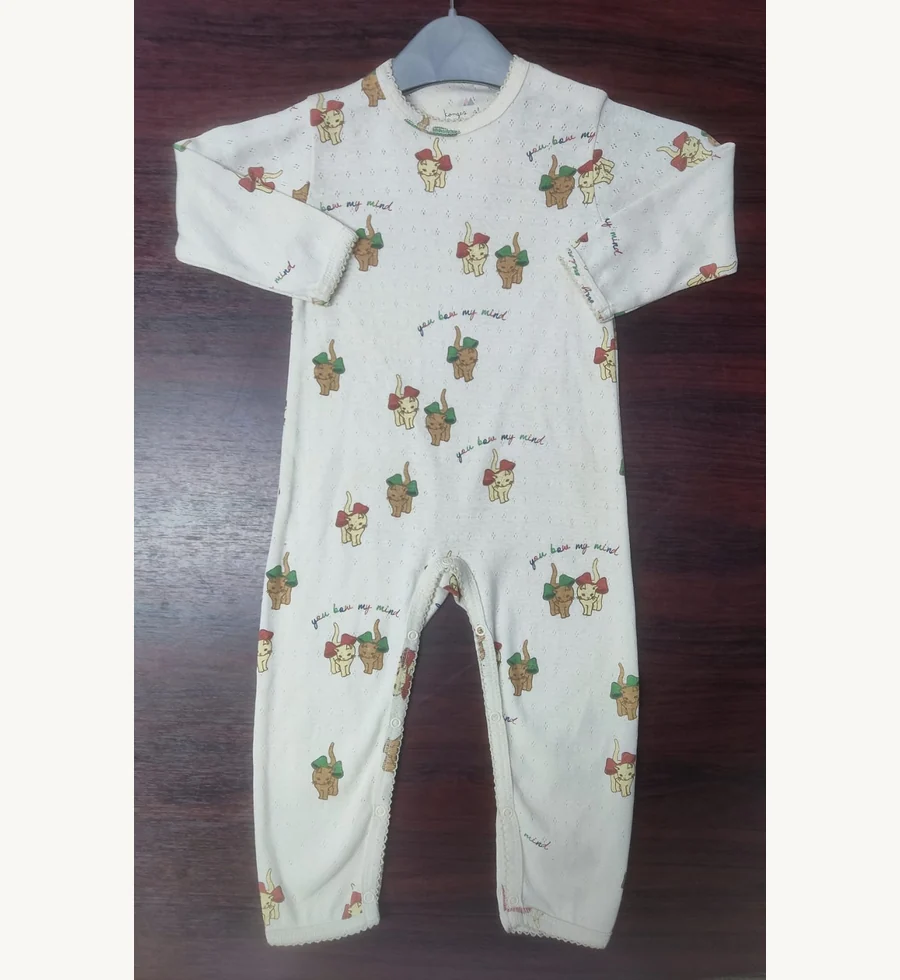
| Pointelle | Decorative eyelet or patterned knit structure with a soft, lightweight appearance. | Baby bodysuits, baby tops, leggings, girlswear, camisoles, womenswear and coordinated sets. | Pattern repeat, stretch, transparency, fabric width, GSM, shrinkage and seam construction. |
| Waffle | Textured cellular knit with visible depth, warmth and moisture-holding capacity. | Baby sets, tops, joggers, thermal-inspired garments, loungewear and layering pieces. | Cell size, dimensional stability, spirality, shrinkage, GSM and recovery. |
| Interlock | Double-knit structure with a smooth face on both sides, greater stability and more body than ordinary single jersey. | Babywear, bodysuits, t-shirts, premium basics, dresses, leggings and structured tops. | Weight, stretch, recovery, compactness, shrinkage and colour consistency. |
| Rib | Elastic knitted structure with vertical ribs and good stretch and recovery. | Babywear, fitted tops, leggings, necklines, cuffs, waistbands and complete rib garments. | Rib construction, elastane percentage, recovery, width, shrinkage and finished GSM. |
| Single jersey | Lightweight and versatile knitted fabric suitable for many everyday garments. | T-shirts, tank tops, baby tops, dresses and lightweight casualwear. | Yarn count, knitting gauge, GSM, spirality, shrinkage and opacity. |
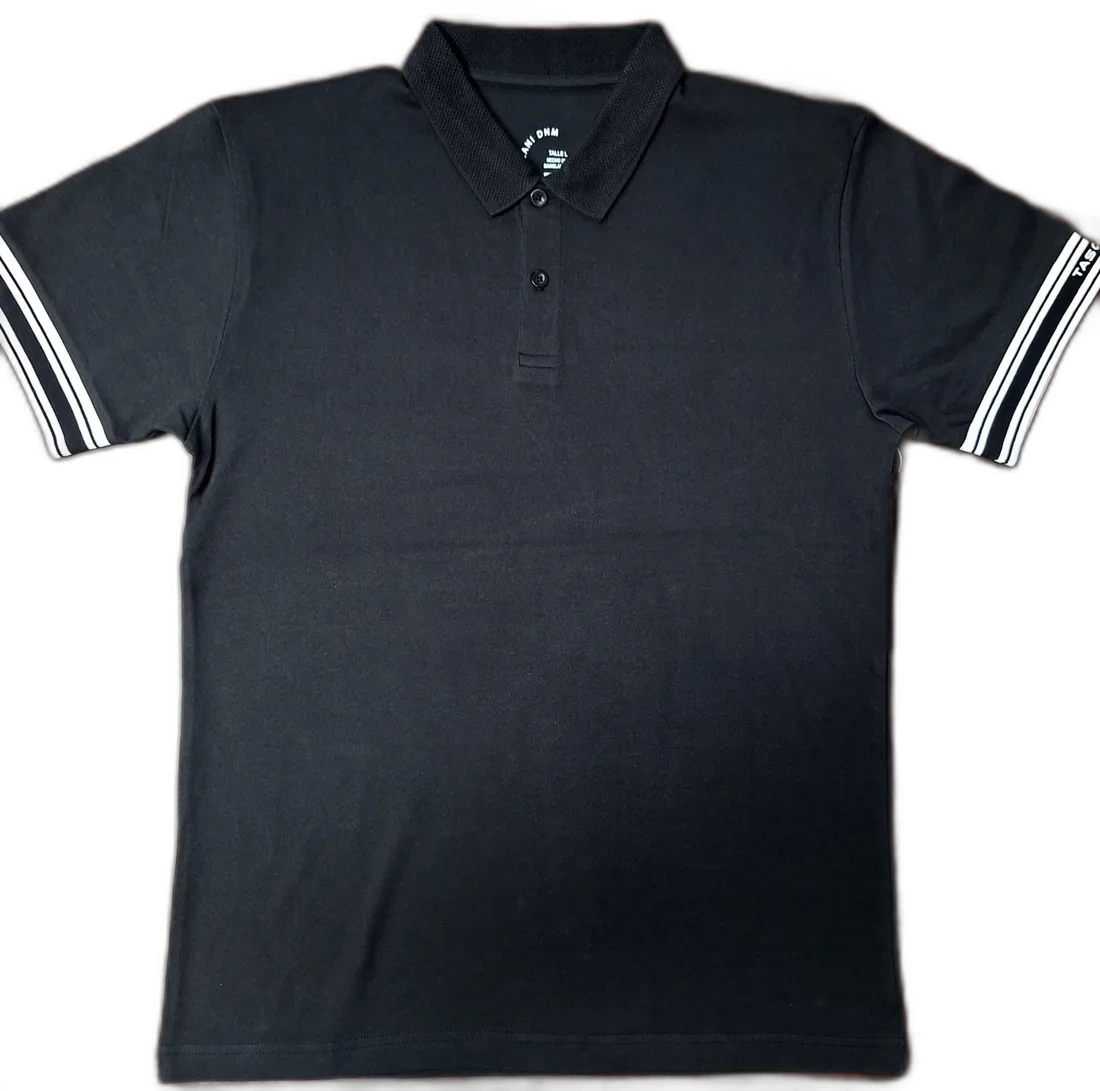
| Pique | Textured knit commonly used where more structure and breathability are required. | Polo shirts, baby polos, dresses and structured casualwear. | Pique construction, collar and cuff matching, shrinkage, GSM and surface appearance. |
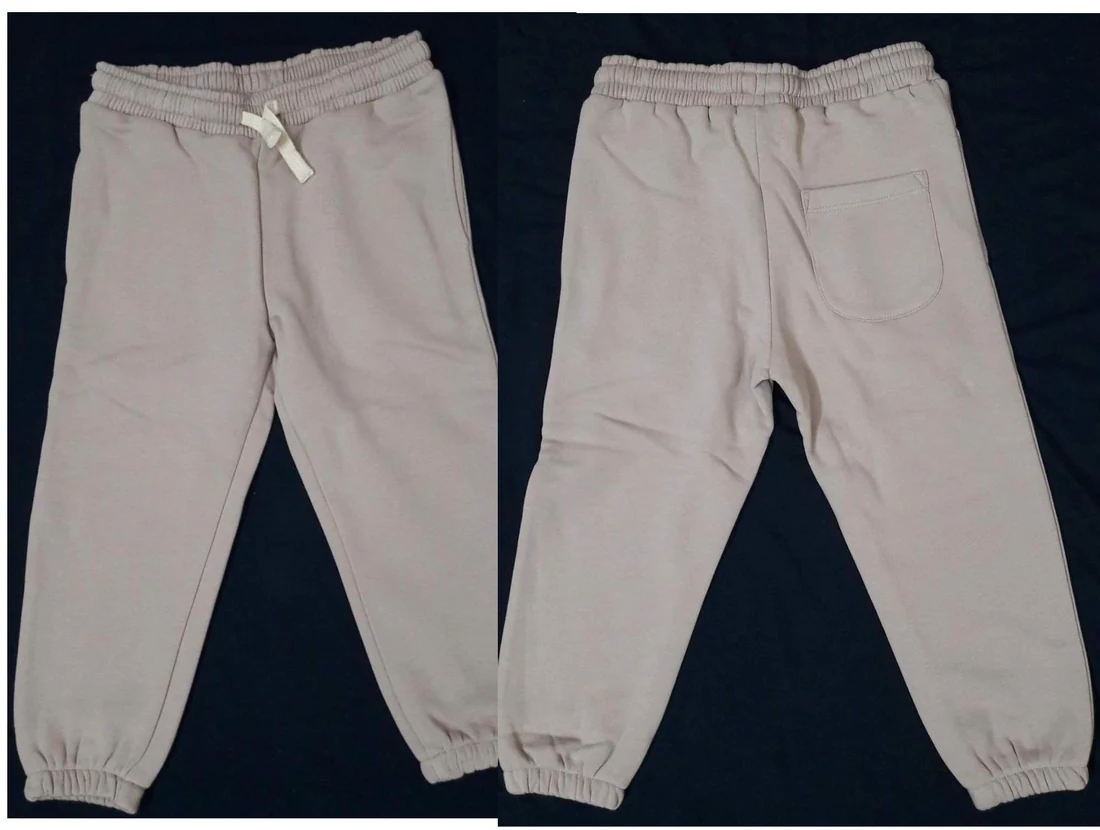
| French terry | Knitted outer face with looped inner construction for medium-weight comfort. | Sweatshirts, hoodies, joggers, shorts, baby layers and coordinated sets. | Loop construction, brushing requirement, weight, shrinkage and colourfastness. |
| Brushed fleece | Warm knit fabric with a brushed inner surface and fuller hand feel. | Hoodies, sweatshirts, joggers and cold-season childrenswear. | Brushing level, pilling, weight, shrinkage, colour and dimensional stability. |
Applications
Fair Cotton can review babywear, kidswear, womenswear and casualwear programs where the fabric structure is central to fit, comfort and appearance.
Pointelle, interlock, rib and cotton-spandex directions can be reviewed for soft hand feel, snap placement and controlled shrinkage. Buyers should provide measurement tables and opening details before sampling.
Rompers can use interlock, waffle, rib or French terry depending on season and target structure. Development should confirm crotch opening, neck stretch, seam construction and garment wash requirements.
Pointelle, single jersey, rib and interlock are useful for baby blouses, long sleeves and soft tops. Fabric transparency, recovery and neckline comfort should be checked during sample review.
Rib, pointelle and elastane blends can support stretch and recovery for baby leggings. Waistband construction, inseam, rise and shrinkage should be reviewed against the buyer's size chart.
Rib, interlock, French terry, waffle and knit denim directions can be reviewed for active kidswear. Recovery, knee shape, cuff finish and fabric weight are important development checks.
Single jersey, terry, rib and waffle can be used for casual shorts and bermudas. Development should confirm waistband method, pocket construction, leg opening and finished measurements.
Pointelle, rib, interlock, jersey and cotton-spandex directions can work for girlswear and womenswear dresses. Buyers should confirm lining needs, transparency, stretch and hem finish before production.
Sets often combine tops, bottoms, rompers or warmer layers in related fabrics. Fair Cotton can review colour consistency, fabric compatibility, measurement balance and packing requirements.
Single jersey, pointelle, rib and textured jersey can support T-shirts, tanks and camisoles. Buyers should confirm GSM, opacity, neck binding, armhole finish and print or embroidery placement.
Pique, interlock, single jersey and rib collar directions can be reviewed for polo programs. Collar construction, placket, button choice, tipping and embroidery should be confirmed before sampling.
Pointelle, rib, textured jersey, pique and cotton-elastane fabrics can be reviewed for fitted or relaxed womenswear tops. Development should confirm recovery, transparency, drape and seam finish.
French terry, brushed fleece, rib and heavier jersey can support warmer casualwear. Weight, brushing, hood construction, pocket construction and colourfastness should be reviewed.
Waffle, French terry, rib and soft jersey directions can be reviewed for loungewear and layering pieces. Comfort, shrinkage, recovery and colour consistency matter across repeated wear.
Private-label programs can include labels, trims, artwork, printing, embroidery, packing and buyer-specific measurement rules. Final feasibility depends on tech-pack review, fabric availability and production quantity.
Development process
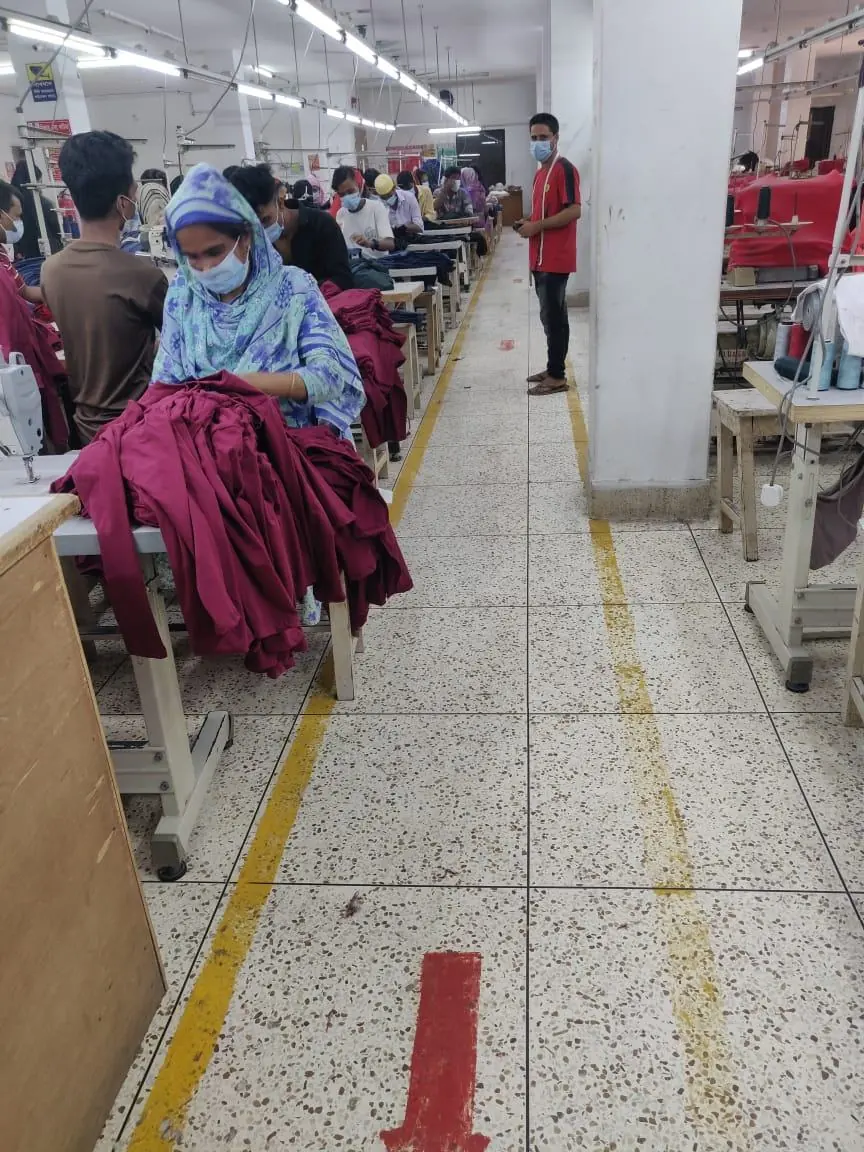
Special knitwear works best when fabric behaviour, construction and measurement expectations are reviewed before bulk production.
Buyer evidence
Buyers can ask for relevant development references and production-planning information. Not every requested fabric is already in stock; availability and sourcing must be checked for each enquiry.
Order planning
Fair Cotton can review lower starting quantities for suitable programs, while custom fabric development and complex trims may need larger commitments.
Sample or SMS quantities may be discussed from approximately 20-50 pieces after technical and fabric review. Small development quantities normally cost more per piece because pattern, fabric, setup and development expenses are divided across fewer garments.
Suitable simpler styles may be discussed from approximately 500-1,000 pieces. Special fabric development, many colours, complex trims, detailed printing, embroidery or unusual finishing may require approximately 1,000-2,000 pieces or more.
Typical production planning is approximately 60-90 days, but final timing depends on fabric development, approval stages, quantity, colours, trims and production availability.
Competitive position
Fair Cotton provides direct manufacturing communication for fabric, sample and production review on knitwear programs that go beyond commodity basics.
Fair Cotton has more than 26 years of knitwear-manufacturing history, with experience across babywear, kidswear, womenswear and casualwear. Published work includes pointelle, waffle, interlock, rib, jersey, pique, French terry and fleece.
The team can review tech packs, reference samples, measurements, fabric requirements, trims, print, embroidery, finishing and packing before production planning.
Fair Cotton can discuss sampling and SMS support, with production planning from approximately 500 pieces for suitable programs after feasibility review.
Fair Cotton has first-priority access to a separately operated dyeing facility. Fair Cotton and the dyeing operation are separate companies.
FAQ
Yes. Fair Cotton can review pointelle babywear, kidswear, tops, leggings, bodysuits and related garments after checking the required composition, pattern, GSM, stretch, quantity and finishing.
Yes. Waffle structures can be reviewed for baby sets, tops, joggers, loungewear and other suitable styles. Cell size, GSM, shrinkage and recovery must be confirmed during development.
Sample or SMS development may be discussed from approximately 20-50 pieces. Suitable simple production programs may begin around 500-1,000 pieces, while custom fabric development or complex programs may require more.
Yes. Buyers can send a fabric swatch, reference garment, clear photographs or available specifications. A proper tech pack will still be needed before final production approval.
Fair Cotton can review the requested GSM and composition, but final feasibility depends on yarn availability, knit construction, finishing, quantity and performance requirements.
Yes. Babywear and kidswear are important Fair Cotton product categories, including bodysuits, rompers, tops, leggings, shorts, dresses, sets and warmer layers.
Not necessarily. Some developments may use available fabrics, while others require sourcing or custom knitting. Availability must be checked for each enquiry.
Yes. Buyers can specify labels, trims, artwork, embroidery, printing, packaging, measurements and other private-label requirements.
Send the product type, tech pack or reference, fabric composition, GSM, quantity, colours, size range, decoration, trims, packing requirements and delivery target.
Fair Cotton may be a fit for Bangladesh knitwear programs requiring pointelle, waffle, interlock, rib, babywear, kidswear or other specialised knit development, subject to tech-pack, fabric, quantity, sampling and production review.
Related sourcing pages
Start Special Knitwear Discussion
Send product type, fabric direction, GSM, quantity, size range, colours, decoration, trims, packing needs and delivery target for review.